A standard wellness exam covers 12 to 15 distinct assessments in under 30 minutes.
The average dog wellness exam takes 30 minutes and costs between $50 and $250 depending on location, clinic type, and what is included. Many owners pay it without much thought. Many others skip it because they cannot see why a healthy dog needs a doctor's visit.
Both groups tend to leave the exam room without a full picture of what just happened and what it was checking for. That gap matters, because the value of a wellness exam is almost entirely in the early detection of conditions that do not yet produce visible symptoms.
This is a walk through what veterinarians actually do during a standard annual wellness visit, what each component costs, and what happens when problems are caught at this stage versus three months later when a dog finally seems unwell.
The Physical Exam: Twelve Minutes of Systematic Assessment
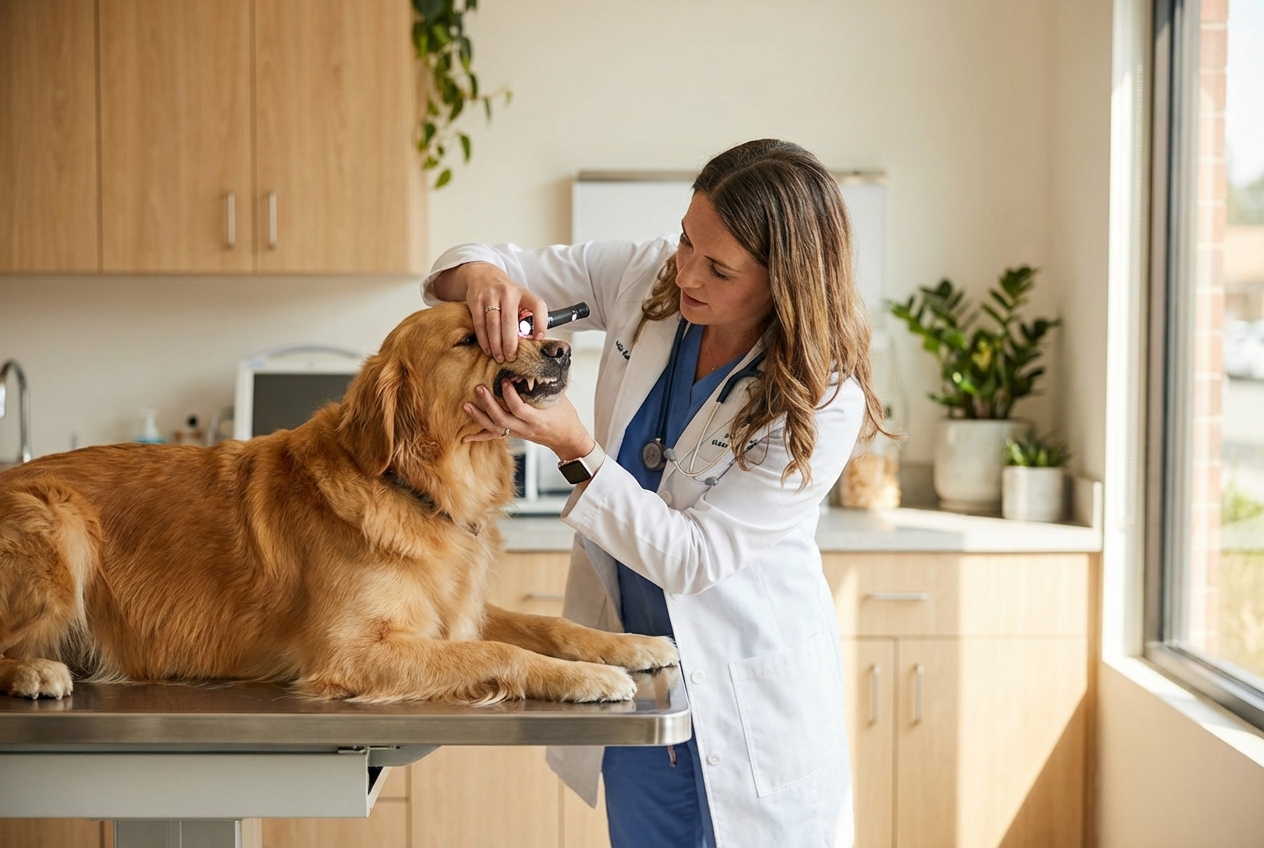
The physical examination is the foundation of the visit. A thorough exam follows a systematic pattern: the vet starts at the head and works down the body, checking each system in sequence. This is not a casual look. It is a structured screening protocol developed over decades.
Head and face: The vet checks the eyes for discharge, cloudiness, or abnormal pupil response. The ears are examined with an otoscope for infection, mites, or abnormal tissue. The mouth is assessed for dental disease, ulcers, masses, and gum color. Pale, white, or yellow gums are immediate diagnostic flags for anemia, liver disease, or cardiovascular problems. Blue-tinged gums indicate oxygen deprivation.
Neck and lymph nodes: The vet palpates the lymph nodes at the jaw, neck, armpits, groin, and behind the knees. Enlarged lymph nodes are one of the most reliable early indicators of infection, immune disorders, and lymphoma. Most owners have no idea where their dog's lymph nodes are. Vets check all of them at every visit.
Chest and cardiovascular: A stethoscope placed at multiple points on the chest listens for heart murmurs, arrhythmias, and abnormal lung sounds. Grade 1 and 2 murmurs are barely audible and produce no symptoms. Many dogs walk around for months with an undetected murmur before a vet hears it at a wellness visit. Caught early, mitral valve disease in particular can be managed with medication that significantly extends a dog's healthy life. Caught in congestive heart failure, the options narrow sharply.
Abdomen: Palpation of the abdomen checks the size and texture of the liver, spleen, kidneys, and bladder. An enlarged spleen can indicate splenic tumor, one of the more common cancers in older dogs. Bladder stones are sometimes palpable before they produce symptoms. Intestinal thickening may point to inflammatory bowel disease.
"The physical exam is the cheapest diagnostic tool we have. Every system I touch is a question I'm asking the dog. Most of the time the dog answers."
Dr. Gary Richter, Montclair Veterinary Hospital, Oakland, CaliforniaMusculoskeletal: The vet manipulates each joint through its range of motion, checking for resistance, pain response, or crepitus (the grinding sensation of cartilage-on-bone contact). Lameness evaluations at this stage catch arthritis before it becomes debilitating. The vet also assesses muscle mass. Significant muscle wasting in a dog that appears to be eating normally can indicate metabolic disease or cancer.
Skin and coat: The coat is checked for parasites, skin lesions, lumps, and overall condition. Dry coat with flaking may indicate dietary deficiencies or hypothyroidism. Any lump found during the exam should be noted, measured, and monitored or sampled. The rule of thumb most vets use: any mass that changes size or texture between annual visits warrants a fine needle aspirate at minimum.
Bloodwork: What the Numbers Actually Tell You
A basic wellness panel typically includes a complete blood count (CBC) and a chemistry panel. Together they run $80 to $200 at most general practices. Some practices include it in a wellness package. Some bill it separately.
The CBC counts red cells, white cells, and platelets. Anemia shows up here. So do infections, immune disorders, and early indicators of bone marrow disease. The chemistry panel measures organ function: kidney values (BUN and creatinine), liver enzymes (ALT, AST, ALP), glucose, protein levels, and electrolytes.
The most critical function of routine bloodwork is establishing a baseline. A single reading in isolation tells you less than that reading in the context of three prior years of readings. Kidneys can lose 75% of their function before BUN and creatinine leave the normal range. If the normal range is all you have, you miss the trend. If you have annual values going back five years, you see the direction of travel long before the dog enters clinical kidney disease.
Dogs over seven should have bloodwork at every annual visit without exception. Many vets recommend twice-yearly panels for seniors. The cost of identifying early kidney disease in a 9-year-old Labrador and managing it with a prescription diet is a fraction of the cost of treating late-stage chronic kidney disease with IV fluids, hospitalization, and supportive care.
Urinalysis: The Test Most Owners Do Not Know About
A urinalysis assesses kidney concentration, protein levels, glucose, blood, bacteria, and cellular components. It adds $40 to $80 to the bill and catches things bloodwork misses. Diabetes, urinary tract infections, bladder cancer, and early kidney disease all show changes in urine before blood values shift significantly.
Collecting a sample at home before the visit (midstream, free catch, clean container) is ideal. Most vets will walk you through the process if asked. A vet can also collect via cystocentesis, a needle directly into the bladder, if a clean sample is needed for culture.
Vaccinations: What Is Actually Being Administered and Why
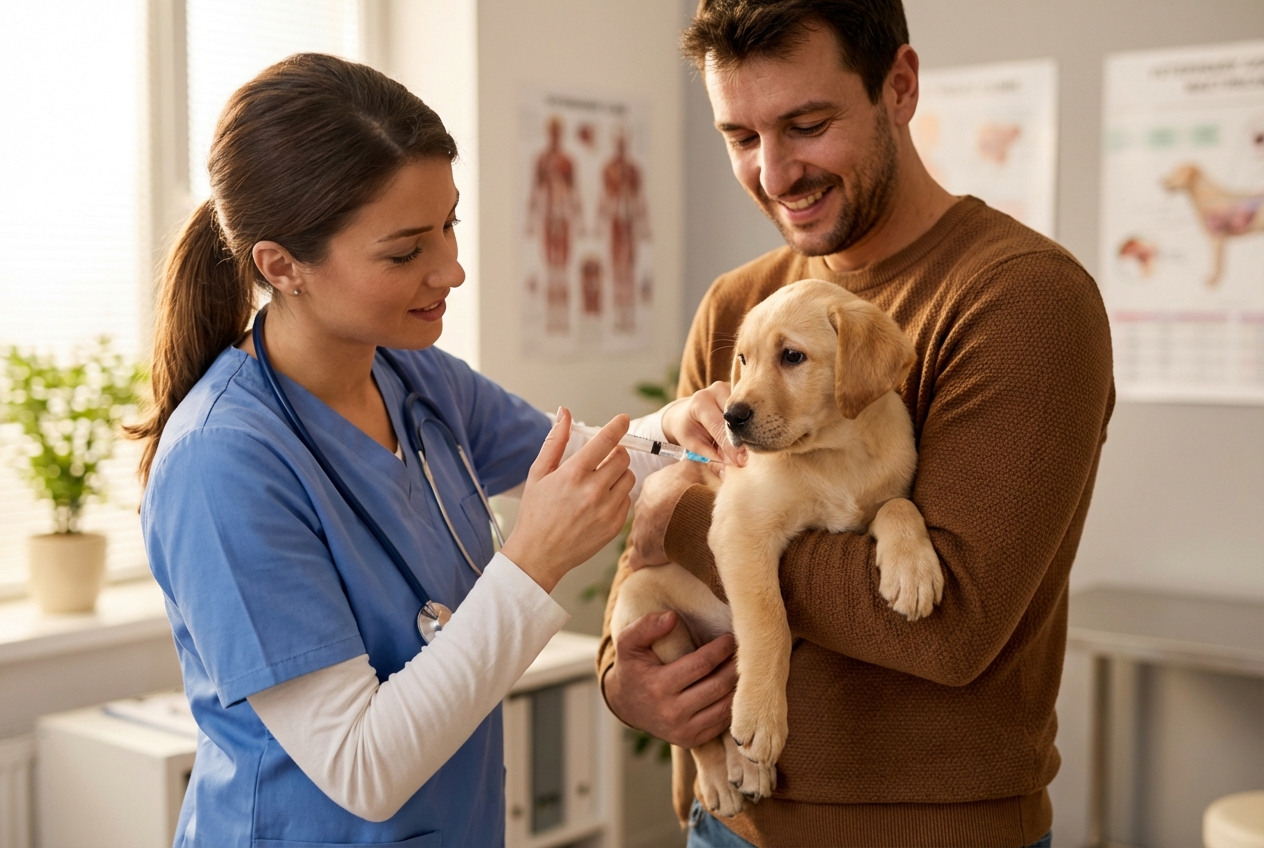
Core vaccines for dogs include distemper, parvovirus, adenovirus, and rabies. These are given regardless of lifestyle because the diseases are either universally endemic, highly lethal, or legally required. Non-core vaccines, including leptospirosis, Bordetella, Lyme, and canine influenza, are recommended based on the dog's actual exposure risk.
A full vaccine appointment for a healthy adult dog runs $75 to $200 depending on which vaccines are due. Rabies is typically triennial after the initial two-year series. Distemper combinations are usually triennial as well, though some vets run titer tests to confirm immunity before re-vaccinating, particularly in older dogs where over-vaccination is a growing concern among veterinary immunologists.
The leptospirosis vaccine is worth discussing with your vet regardless of whether your dog swims or hunts. Lepto is endemic in urban and suburban environments, spread through water contaminated with the urine of infected wildlife including rats. Several metropolitan areas have seen outbreaks in city dogs that never left pavement.
Dental disease is the #1 finding at wellness exams
See where your dog stands with our free 60-second assessment before the next vet visit.
Take the QuizThe Dental Assessment: Often the Most Important Finding
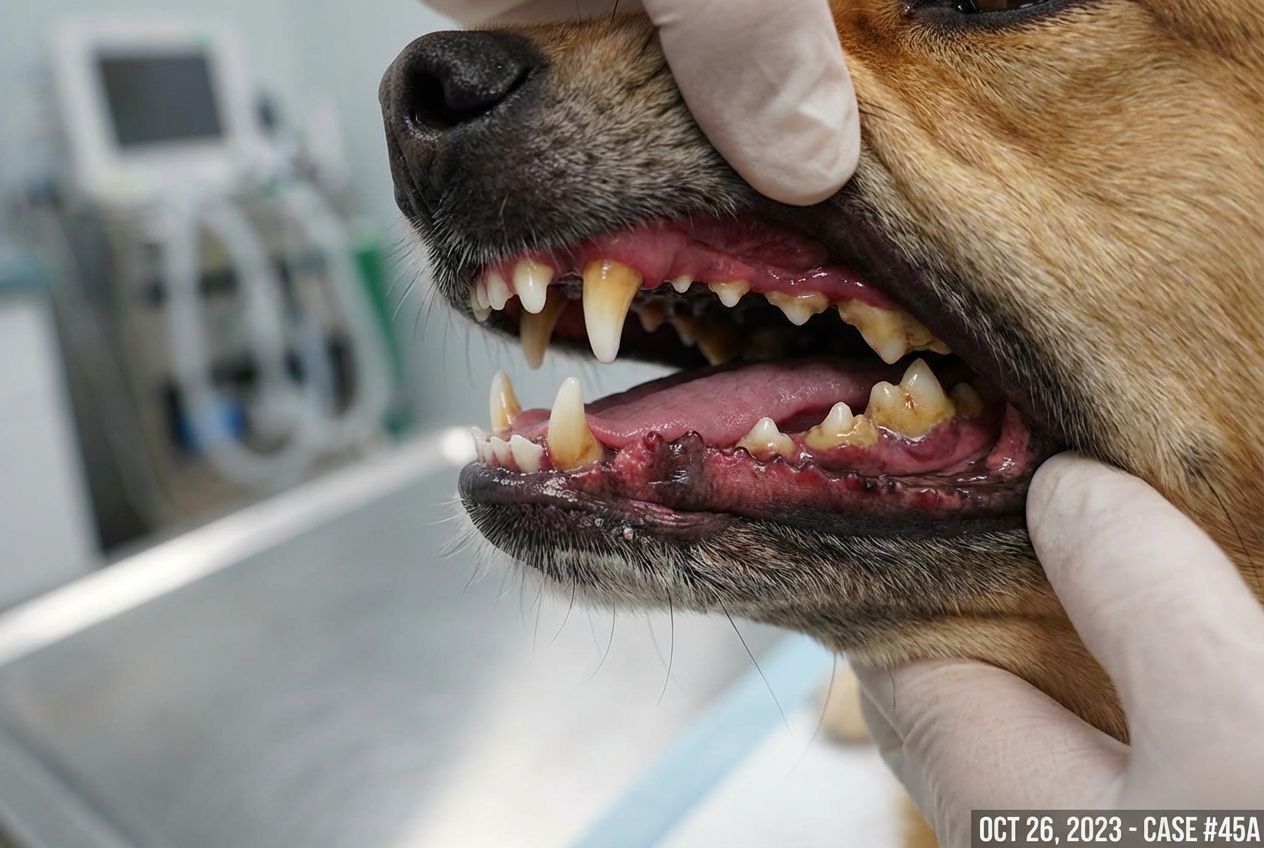
The oral exam during a wellness visit is one of the highest-yield components for dogs over three. By age three, over 80% of dogs show signs of periodontal disease. By age five, most dogs with no preventive care have progressed beyond gingivitis into active bone loss.
A wellness exam dental assessment typically scores the dog on a 0 to 4 scale: Grade 0 is healthy. Grade 1 is mild gingivitis. Grade 2 is moderate gingivitis without bone loss. Grade 3 is periodontal disease with early bone involvement. Grade 4 is advanced disease requiring extractions. Most dogs that arrive at a wellness exam with no prior dental history land at Grade 2 or 3.
The vet will recommend a professional dental cleaning under anesthesia for anything beyond Grade 1. These cleanings cost $800 to $3,000 or more depending on how many extractions are needed. The dental assessment itself takes about 60 seconds of the exam. It is one of the most actionable findings in the entire visit. See our full article on why dental disease progresses silently and what it does to other organs for the complete picture.
The Conversation at the End
The final component of a wellness visit is the part many owners underutilize: the consultation. This is the opportunity to raise anything you have noticed at home, however minor it seems. The subtle hesitation before jumping on the couch. The slightly slower morning pace. The one episode of loose stool that happened twice last month. Vets assess risk at every visit, and their ability to do that well depends on the quality of information the owner brings in.
Prepare for the visit by writing down specific observations with dates. "He seems less energetic lately" is hard to act on. "He's been slower to get up after sleeping three mornings this week, starting about six weeks ago" gives a vet a timeline and a pattern. That difference determines whether the vet files it under "normal aging" or orders a panel.
The cost of a wellness exam is the cost of a systematic check of every major system in your dog's body by a trained professional who knows what early disease looks like. For dogs over seven, it is one of the highest-return health investments available. For dogs of any age, it is the baseline against which all future changes are measured. Without it, every illness starts from scratch.
Read more about what to watch for between exams in our guide to 7 warning signs your dog is hiding pain.